
Aloha Kaua
King Kamehameha III’s ‘queer love and resistance’ at Palikū Theatre

As a young man, Kauikeaouli (Kamehameha III) fell in love with Kaomi, a brilliant half-Tahitian and half-Hawaiian student of Hiram Bingham. Kaomi healed with his hands, diagnosed illnesses and rebelled against the values and laws being imposed by the missionaries. As their love deepened, Kauikeaouli was inspired to resist oppressive colonial morality. He brought back hula, free love, drinking, games and Makahiki (an annual celebration).
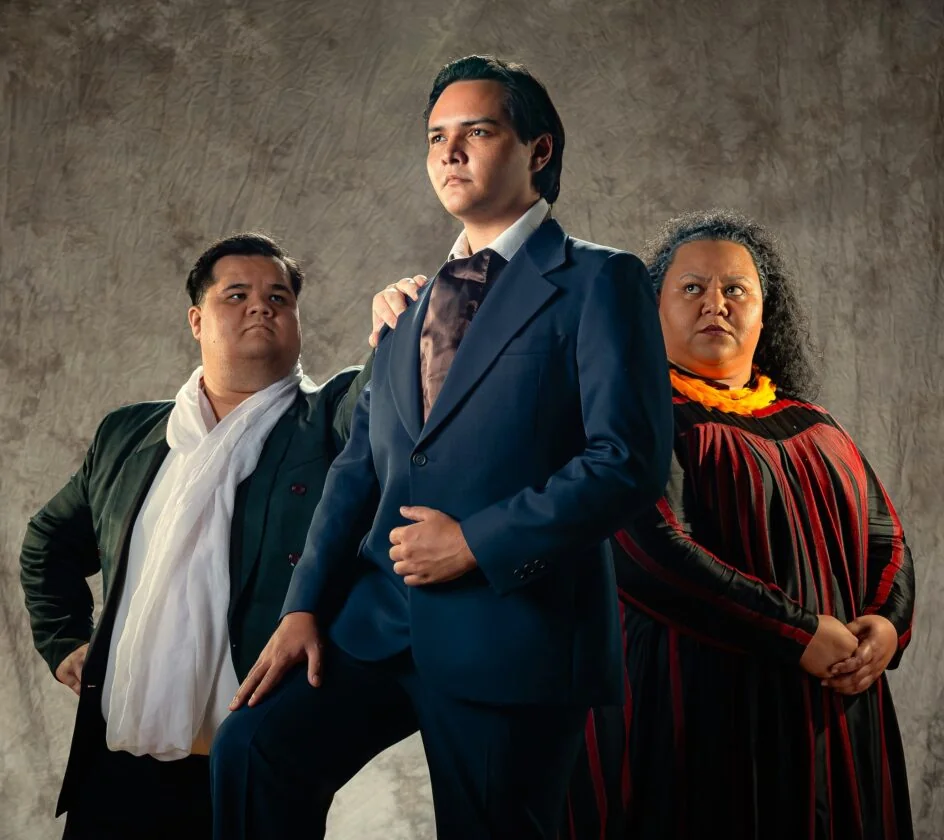
Kauikeaouli eventually made Kaomi his Mōʻī kuʻi (joint king). Kuʻi also implies marriage, underscoring the deep love they had for each other.
Outraged, Christian chiefs (Kaikioʻewa and Kīnaʻu among them) tried to stop the young Kauikeaouli. Some resorted to violence, turning their anger on Kaomi and demonizing him for leading the king down what they believed was a dangerous path. The “Time of Kaomi” was almost erased from history.